One of the most common questions I get from students is whether it’s too early to start thinking about investment banking as a freshman or sophomore. The answer is: absolutely not. In fact, if you’re a freshman or sophomore reading this, you’re already ahead of most of your peers.
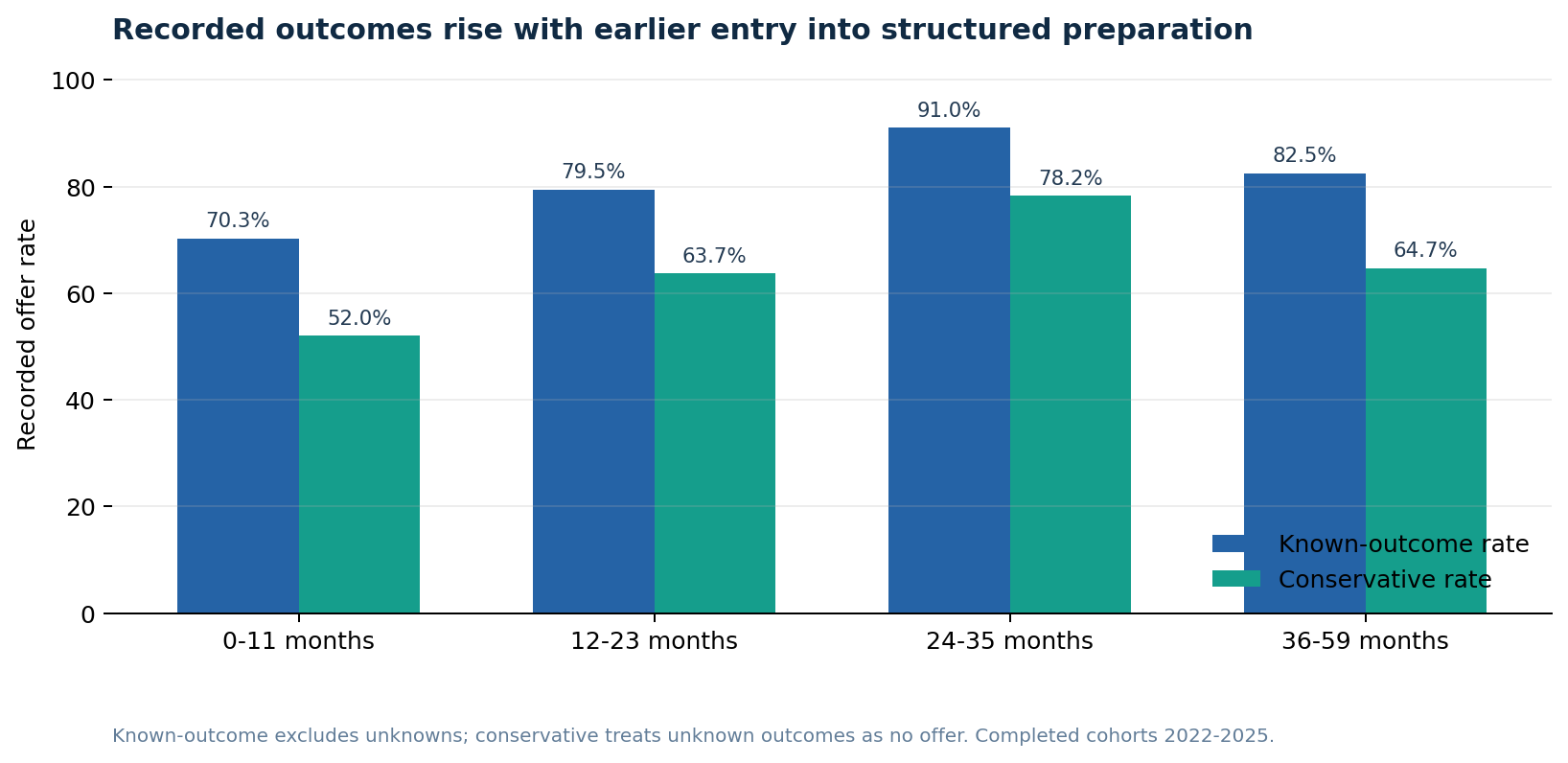
The IB recruiting timeline has moved dramatically earlier over the past decade. Juniors who don’t have strong sophomore-year finance experience are often at a disadvantage in the final round of recruiting. Getting an IB internship as a freshman or sophomore (or at least building the right experience and relationships) is one of the most important things you can do to set yourself up for the junior summer offer that matters most.
Here’s exactly how to do it.
Table of Contents
ToggleWhy Starting Early Matters More Than Ever
Most students don’t think seriously about IB recruiting until it has already started in sophomore fall. By then, the most prepared candidates already have 1-2 finance internships on their resume, established relationships at banks they’re targeting, and have been practicing technical questions for months.
Recruiting for junior summer internships at top banks (Goldman, Morgan Stanley, JPMorgan, Lazard, Evercore) kicks off in the fall of sophomore year and moves incredibly fast. Banks often make the bulk of their offers within a few weeks of opening applications. If you haven’t done the groundwork by sophomore fall, you’re playing catch-up.
Starting as a freshman or sophomore gives you time to:
- Build real finance experience before recruiting kicks off in sophomore fall
- Develop relationships at target firms through multiple rounds of networking
- Learn and internalize technical concepts at a relaxed pace rather than cramming
- Refine your story and positioning before it really counts
- Stand out from the crowd with stronger credentials by sophomore fall
What Freshmen and Sophomores Can Realistically Land
Let me be honest with you: freshman and sophomore IB internships are not the same as the junior summer analyst programs at bulge brackets and elite boutiques. Those programs essentially don’t exist for non-juniors at top banks. But that doesn’t mean you can’t get meaningful finance experience, and in some cases, direct IB exposure.
Freshman & Sophomore Programs at Large Banks
A number of top banks have created dedicated programs for first- and second-year students:
- Goldman Sachs Sophomore Summer Analyst Program: Highly competitive, places second-year students in various divisions including IBD. Getting into this program is a massive leg up for junior year.
- Morgan Stanley Sophomore Summer Program: Similar structure, highly selective, strong conversion path to junior year IBD offers.
- JPMorgan Early Advantage / Winning Women Internship: Targeted programs for diverse sophomore candidates.
- Bank of America Sophomore Summer Analyst: Another strong option for second-year students.
- Diversity programs: Many banks have diversity-focused internship programs open to freshmen and sophomores from underrepresented groups: SEO, Sponsors for Educational Opportunity, Management Leadership for Tomorrow (MLT), and others provide incredible access to top firms.
Middle Market and Regional Banks
Middle market banks (William Blair, Baird, Piper Sandler, Lincoln International, Raymond James) often hire freshman and sophomore interns. These are excellent opportunities to get real IB exposure: you’ll sit on a real team, work on real deals, and build a resume line that will help you tremendously when you recruit at larger banks.
Boutique IB Firms and Local/Regional Boutiques
Smaller boutique IB shops, especially regional boutiques, are often very open to hiring bright, motivated freshman and sophomore students. You won’t get the Goldman brand name, but you might work on actual live deals with a senior banker who takes a genuine interest in your development. These experiences can be more substantive than what you’d do in a large bank’s structured intern program.
PE, VC, and Related Finance Roles
Private equity firms, venture capital funds, search funds, family offices, and hedge funds sometimes hire undergraduate interns at all class years. The exposure may not be pure IB, but it demonstrates financial acumen and often involves financial modeling, which is directly transferable.
Step-by-Step: How to Get a Freshman or Sophomore Finance Internship
Step 1: Get the Fundamentals Right
Before you do anything else, make sure your GPA is strong and you’re taking relevant coursework. Accounting, corporate finance, and economics are the core subjects. A GPA below 3.5 will make things harder at the most competitive programs: aim for 3.7+ if possible.
Step 2: Build Your Resume Strategically
Use our resume template to build a clean, finance-focused resume from day one. Even as a freshman, you can include relevant coursework, investment club membership, case competition participation, and any prior work experience. Make it look like a finance candidate’s resume from the start.
Step 3: Join Finance-Related Clubs
Investment clubs, finance clubs, and IB prep clubs are often the single best source of deal exposure, technical training, and recruiting connections available to undergraduates. Most top schools have multiple options. Get involved early, ideally in your first semester, and work your way into leadership roles.
Step 4: Start Networking Early and Consistently
This is the most important lever you have as a freshman or sophomore. Networking as a freshman is actually easier in some ways: bankers find it refreshing and impressive when a first-year student reaches out thoughtfully.
Here’s how to approach it:
- Start with alumni at your target banks: they have a built-in reason to talk to you
- Use LinkedIn to find analysts and associates who graduated from your school
- Attend on-campus recruiting events and information sessions even if you’re not eligible to apply yet: introduce yourself, get names and cards, and follow up professionally
- Send brief, personalized emails asking for 15-minute informational calls (not internships, calls)
- Keep track of everyone you speak with and follow up periodically to maintain the relationship
Our networking guide has the exact email templates and frameworks we teach students to use. It’s one of the most downloaded resources we offer for good reason.
Step 5: Learn the Technical Material Early
Most freshmen and sophomores who pursue IB never get serious about learning the technical material until they’re staring down a Superday as a junior. Don’t be that person. Start learning accounting, valuation, and financial modeling in your first and second years. Download our free technical cheatsheet and work through it systematically.
You don’t need to know everything, but being able to confidently walk through the three financial statements and explain basic valuation in a sophomore interview is extremely impressive and will absolutely set you apart.
Step 6: Apply Early and Apply Broadly
Applications for freshman and sophomore programs typically open in late summer or early fall for the following summer. Set calendar reminders and apply to everything that’s relevant: bank programs, boutiques, PE funds, family offices. The process is much less structured than on-cycle recruiting, so you need to cast a wide net.
The Long Game: Setting Up Junior Year Success
The real goal of freshman year isn’t just to land a summer internship. It’s to set yourself up to dominate recruiting when it kicks off in sophomore fall. That means arriving at sophomore fall with:
- At least one relevant finance internship on your resume
- Established relationships with bankers at several of your target firms
- Technical knowledge that’s solid enough that you’re not starting from scratch
- A refined, compelling story about why you want to do IB and why you’re different
Students who do this work early don’t just have better resumes: they interview with more confidence because they actually know what they’re talking about. They’ve already had these conversations. They’ve already learned the material. The recruiting process feels manageable rather than overwhelming.
If you want to understand what the full IB recruiting process looks like from start to finish, check out our free resources. And if you want to see the results students get when they start early and do the work right, read through our student testimonials.
Common Mistakes Freshmen and Sophomores Make
- Waiting until sophomore fall to network: By the time recruiting kicks off, building relationships from scratch is much harder and more stressful.
- Only targeting bulge brackets: The Goldman sophomore program is great, but it’s extremely competitive. Cast a wide net and value substance of experience over brand name at this stage.
- Ignoring technicals until they need to cram: Learning financial modeling under pressure in the middle of recruiting is very different from genuinely understanding it after two years of incremental learning.
- Not joining an investment or finance club: These clubs are the fastest way to build both skills and relationships simultaneously.
- Treating every interaction as transactional: Networking is relationship-building. Be genuinely curious, add value where you can, and stay in touch without always asking for something.
Want Personalized Investment Banking Coaching?
Wall Street Mastermind has helped thousands of students land offers at Goldman Sachs, Morgan Stanley, JPMorgan, and every top bank. If you want personalized coaching to break into IB, apply here to learn more about how we can help you.